Graphic Design is Evolving Fast - Are You Keeping Up?
Sleeping under the tables to hit a deadline isn't a new concept to graphic designers, but with generative AI on the scene, that reality is changing. Generative AI or Gen AI is no longer a future concept as it's already part of the creative process here at Astro. Essentially, it is an advanced technology that uses massive datasets to instantly turn human text descriptions and ideas into high-quality images and videos.
At 49, Mohd Syamsuri – often known as Sam – has experienced first-hand how much graphic design has reinvented itself in the last 30 years. As a Senior Graphic Designer and Motion Designer at Astro, he doesn’t look at AI as a threat but as a tool. Whenever new tools emerge, fear often follows. From cave drawings to canvases, cameras and digital tools, each shift changes how art was made. For graphic designers, this does not signal the end of creativity, but another moment of evolution.
Today, his tool isn't just a camera; it involves typing precise text prompts directly into his phone to create what he imagines.
“When AI image generators first became available around 2021, I was fascinated,” Sam chuckles. “I’d be prompting on my phone whenever I could, even in the toilet. I wanted to learn how to make it look inside my head. I kept my prompts and the image generated in a folder. Even the weird, ugly ones.”
Before Generative AI
Syamsuri graduated with a diploma in graphics in 1993 and entered the industry in the early 1990s, where he joined Malaysia’s pioneering 2D animation wave in 1994. He survived the 1997 economic downturn by freelancing across drama sets and eventually going back to Sabah to pursue his degree in music. Throughout his three-decade journey, he has constantly had to reinvent himself and adapt to shrinking timelines, moving from long months of slow, manual production to fast-paced digital turnarounds, eventually ending up in his long-term home at Astro.
He has carried cameras the size of small boulders and transitioned from tapes to tiny SD cards. Because he understands camera mechanics, lighting, and layout constraints, he knows exactly how to prompt AI rather than letting it guess.
The Art of the Prompt
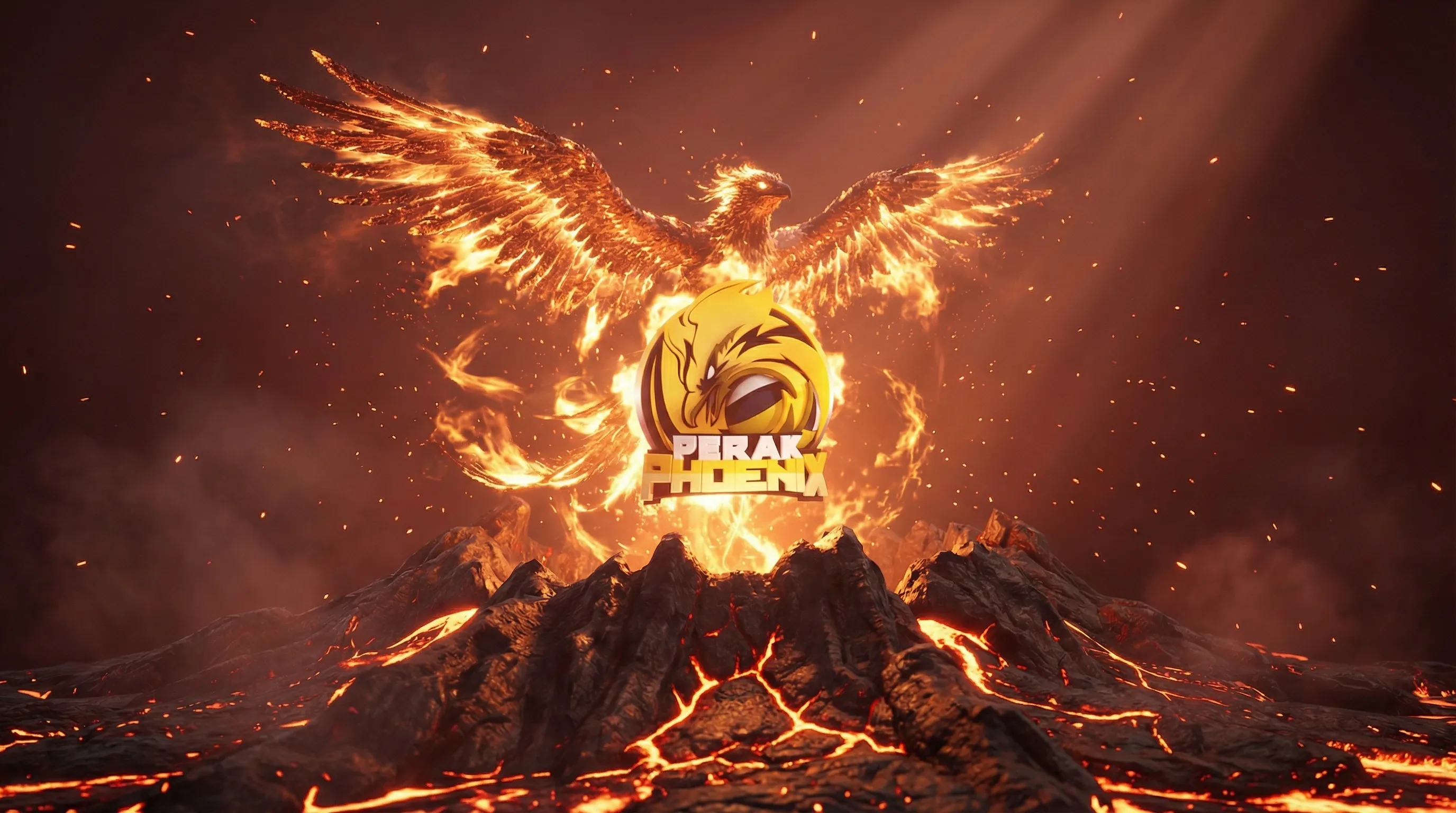
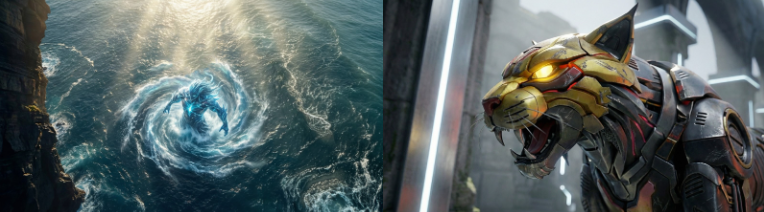
The knack for experimenting has helped his team with One of his most enjoyable projects to date is the Netball Super League (NSL) which is part of Astro’s Intellectual Property, where Sam and his three other designers were handed a massive task with a fraction of the usual timeline. Instead of working on massive shoots and production, he turned to generative tools.
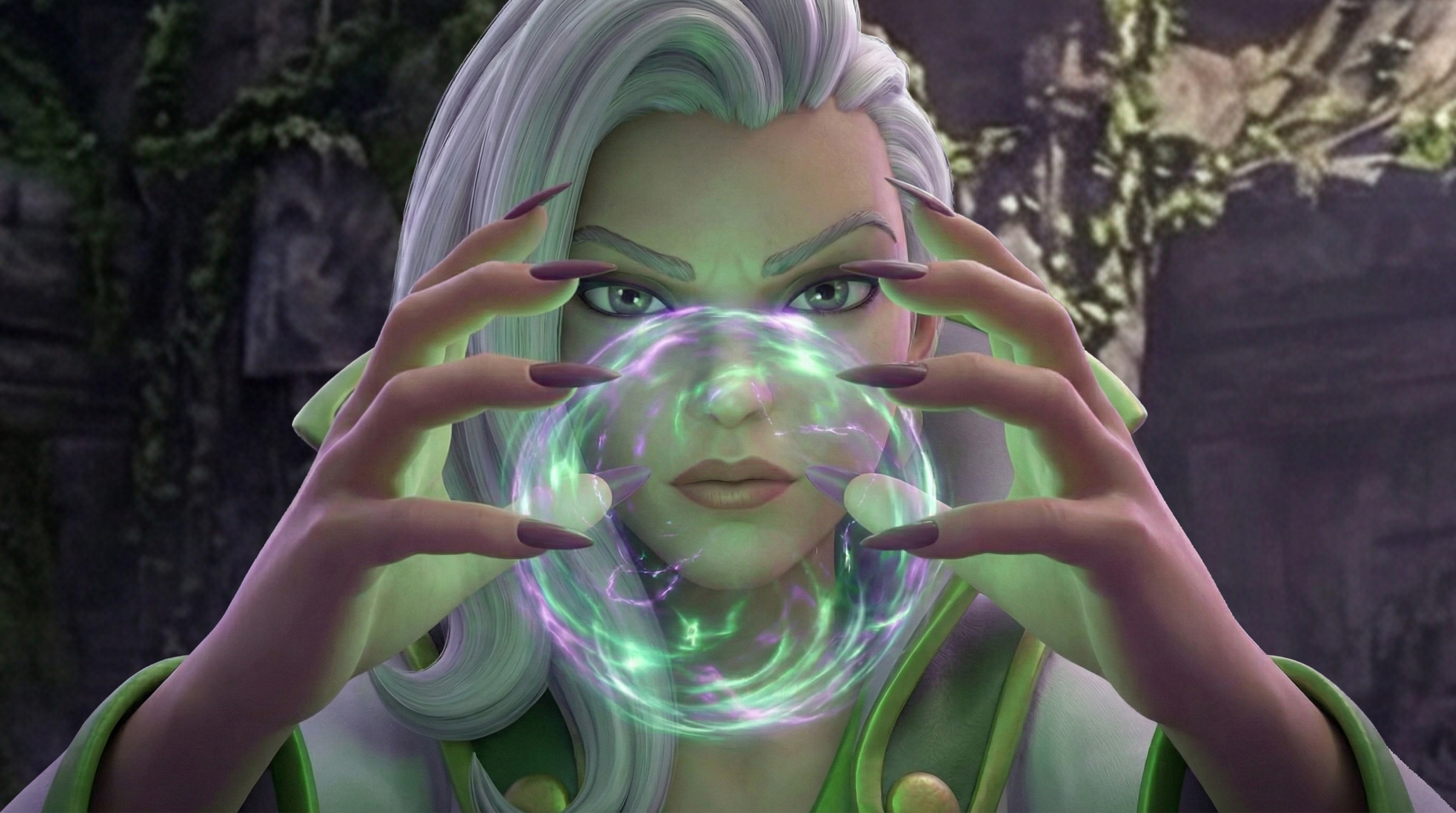
A project that would normally take two full months to complete was delivered in just three weeks. With such an extensive tool within reach, this allows his team to meet shorter deadlines and take on more creativity work without compromising quality. For him, creativity is a human trait that no tool can replace. Ideas still begin with concept and intent. AI is introduced later to explore, visualize, and refine ideas.
“If you rely 100% on the machine, you will get disfigured hands and soulless expressions. AI doesn't know what emotions you are trying to convey. You can prompt a boy on a bicycle but you can't expect it to give you what you pictured in your head.” Sam notes. Each prompt requires clarity, detail, and direction. Sometimes this means specifying details down to camera angles, lens sizes, and lighting styles.
How He Keeps It Human
Despite its advantages, he looks at Gen AI as a double-edged sword. “The tool cannot feel.” he says, while putting his hands to his heart. It is powerful when used thoughtfully, and risky when relied blindly. AI generates visuals quickly, but it cannot judge meaning, context, and ethics. That responsibility lies with humans.
For aspiring designers, Sam insists that Gen AI should not be seen as a threat but as an evolution of art. He believes to start with the fundamentals. Learn composition, lighting, and traditional design processes before embracing advanced tools. Understanding the basics builds the foundation needed to use AI effectively.
Rejecting technology risks being left behind, while embracing it with intention opens new creative possibilities. Graphic design will keep evolving. Somewhere between imagination and technology, someone still must decide what they want to show the world. Sam has about 10 years left before he retires from Astro. “The tools will change again by then. But imagination? That will belong to us.” Sam monologues.